Disability doesn’t look the same for everyone. Some disabilities are easy to notice—like using a wheelchair, being blind or visually impaired, being deaf or hard of hearing, or having a limb difference.
In this article, you’ll find well-known public figures who have shared their experiences publicly. Each person is also known for major achievements in their field, from entertainment and sports to media and advocacy.
Famous Celebrities with Disabilities Who Use Wheelchairs
Mobility disability can include wheelchair use or limited movement caused by spinal cord injury, polio, spina bifida, or other physical conditions. Because these disabilities are visible, people are often judged quickly—sometimes before their abilities or experience are fully understood.
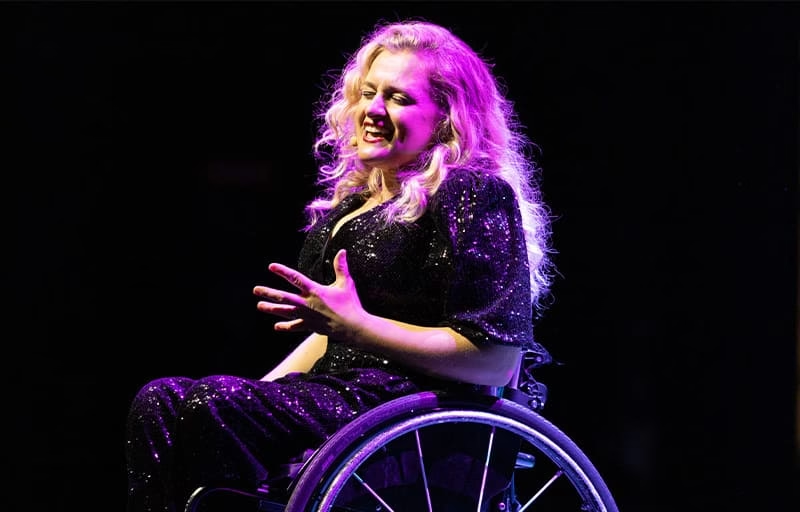
Ali Stroker
A wheelchair user since childhood, Ali Stroker made history as the first performer in a wheelchair to win a Tony Award. She is best known for her work on Broadway, where she has taken on leading and supporting roles in major productions.
Beyond awards, her career is often noted for something quieter but equally important: she has remained consistently visible in mainstream theatre, not as a guest appearance, but as a working actor. For many audiences, she represents the idea that wheelchair users can belong naturally in professional, competitive creative spaces.
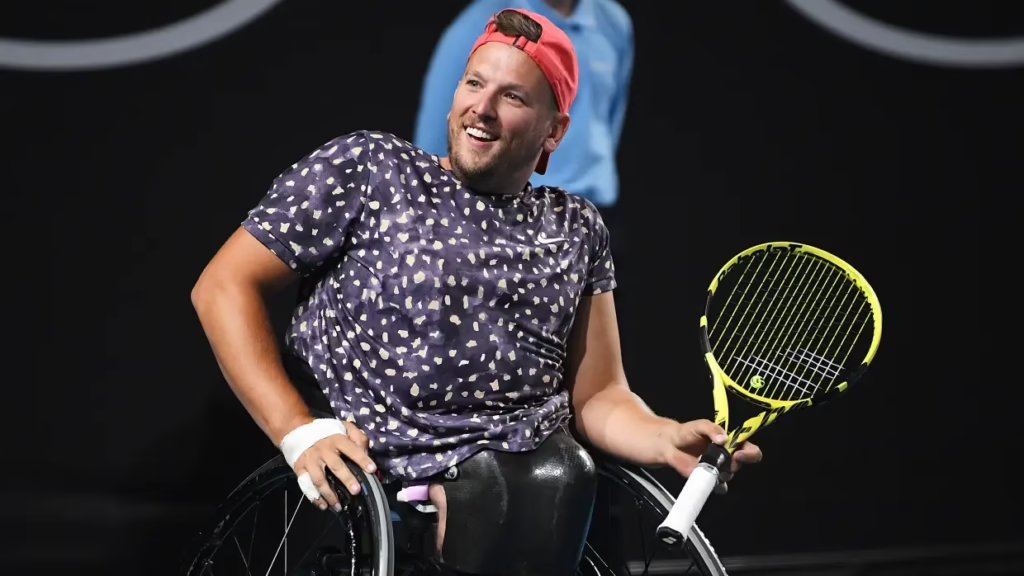
Dylan Alcott
Dylan Alcott is a wheelchair user and a multiple-time Grand Slam champion in wheelchair tennis. He is widely known for his dominance in the sport and later for becoming a mainstream television host and public figure.
Outside of competition, he is often recognized for speaking openly about confidence, self-image, and everyday life as a wheelchair user. His visibility extends beyond sports and helps normalize disability in media and public conversation.
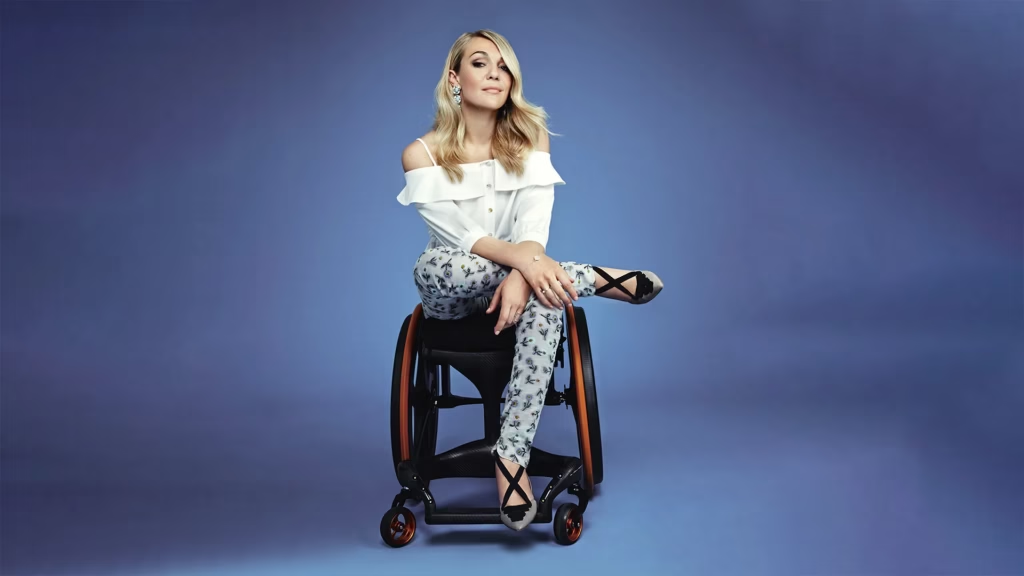
Sophie Morgan
Sophie Morgan is a wheelchair user and television presenter, best known for her work in mainstream media. She has appeared on major TV programs and built a public career that places disability within everyday life rather than on the margins.
She is often noted for speaking openly about independence, relationships, and social visibility. Her work helps challenge the assumption that wheelchair users live limited or isolated lives.
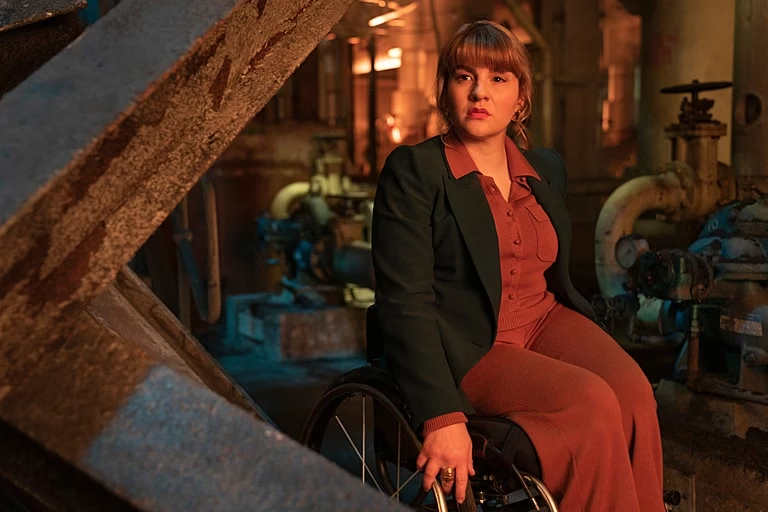
Ruth Madeley
Ruth Madeley is an actress with spina bifida who uses a wheelchair. She is best known for prominent roles in television and film, where she portrays fully developed characters rather than stories centered only on disability.
Her acting career is often praised for its consistency and range. By appearing regularly in mainstream productions, she helps expand how disabled women are seen on screen.
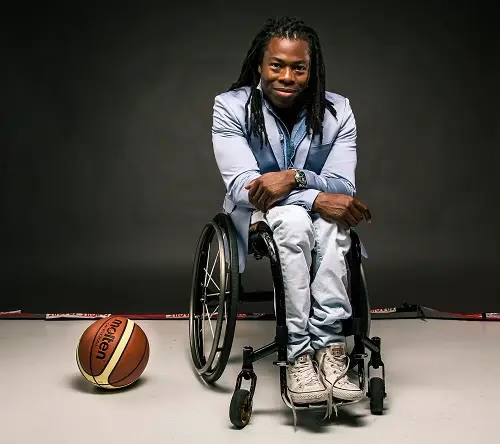
Ade Adepitan
Ade Adepitan uses a wheelchair due to polio contracted in early childhood. He is a former Paralympian who later became a well-known broadcaster, recognized for his work across sports journalism, documentary television, and mainstream presenting roles.
Over time, he has become one of the most familiar disability voices in media. Her acting career is often praised for its consistency and range. By appearing regularly in mainstream productions, she helps expand how disabled women are seen on screen.
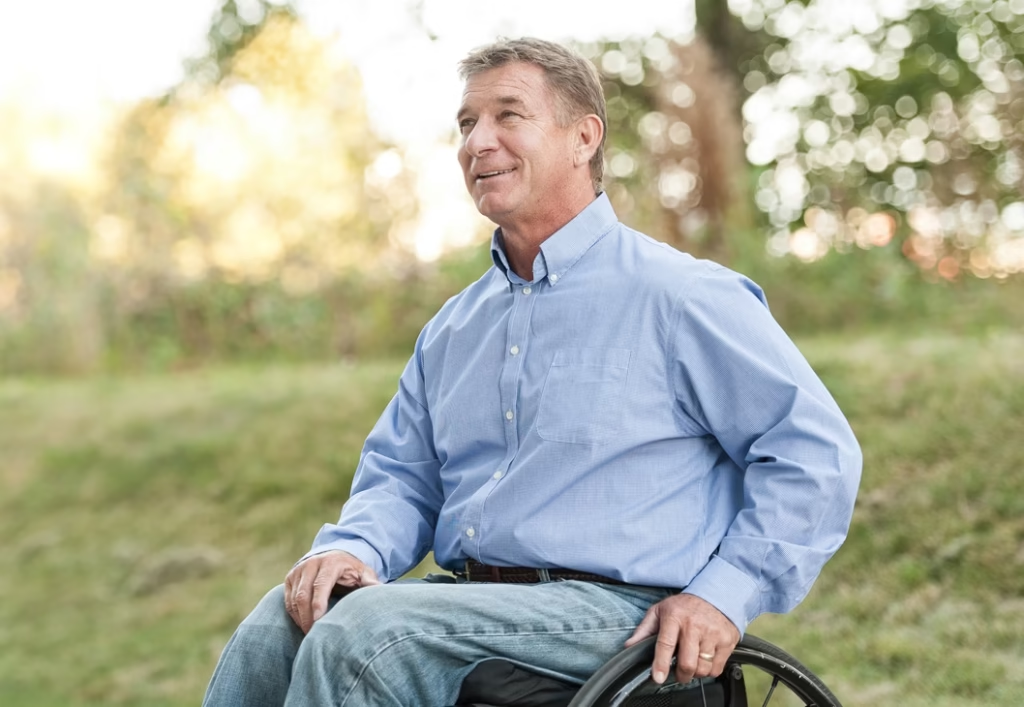
Rick Hansen
Rick Hansen is a wheelchair user following a spinal cord injury and is internationally known for his work in accessibility and inclusion. He became widely recognized for large-scale public advocacy efforts that brought disability into global focus. His influence is often seen not through entertainment, but through lasting changes in how public spaces consider mobility. He represents leadership and impact beyond traditional celebrity.
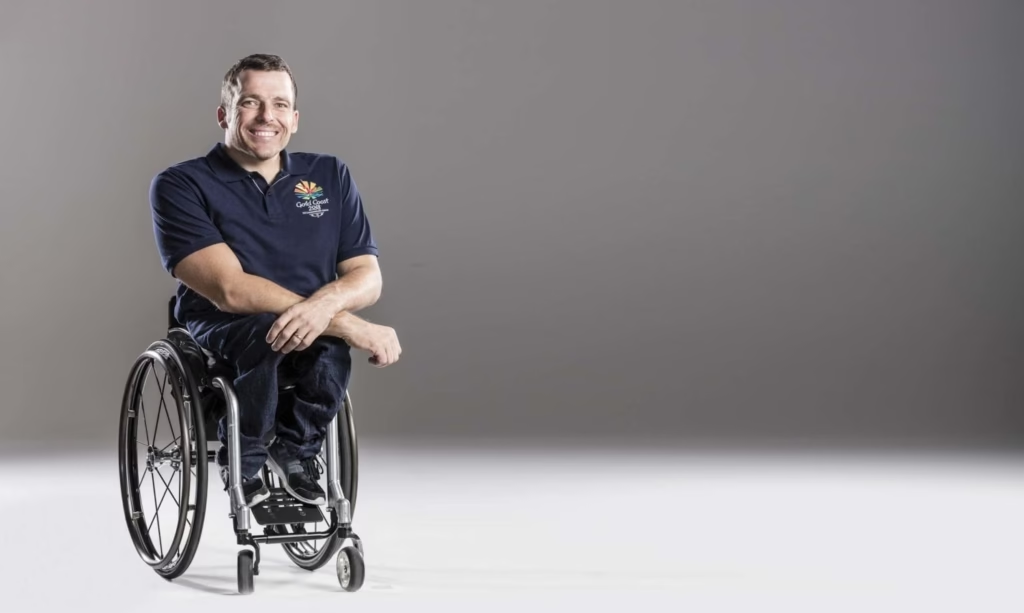
Kurt Fearnley
Kurt Fearnley is a wheelchair racer known for elite athletic performance at the highest level of competition. He is widely respected for his achievements in endurance racing and international sport, including multiple Paralympic medals and victories in some of the world’s most demanding marathon events.
What sets him apart is not only his results, but the way he approaches sport and public life. He is often recognized for speaking openly about ambition, discipline, and identity, especially in contexts beyond elite athletics. Through media appearances, public speaking, and long-term visibility, he has helped broaden how wheelchair users are viewed—not only as athletes, but as leaders, professionals, and public figures with full lives beyond sport.
Blind and Visually Impaired Celebrities
Visual impairment includes blindness and low vision. While vision is often assumed to be essential—especially in creative or performance-based careers—many people with visual impairment have built long, highly visible public lives.
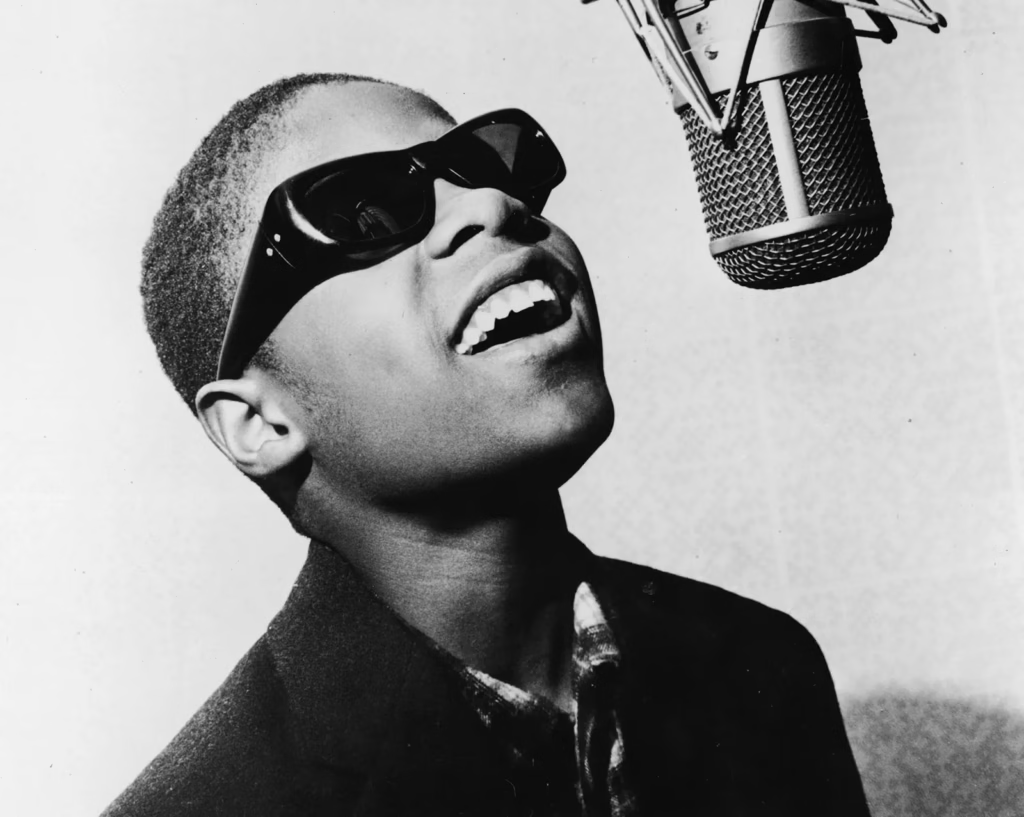
Stevie Wonder
Blind from infancy, Stevie Wonder is one of the most influential musicians in modern history. He is best known for shaping popular music across several decades and for winning 25 Grammy Awards, a record that places him among the most celebrated artists of all time.
Beyond awards, his career is often recognized for its longevity and creative range. He has remained relevant across generations, not as a novelty, but as a central figure in music. For many listeners, his success quietly challenges the idea that sight is necessary for artistic vision or innovation.
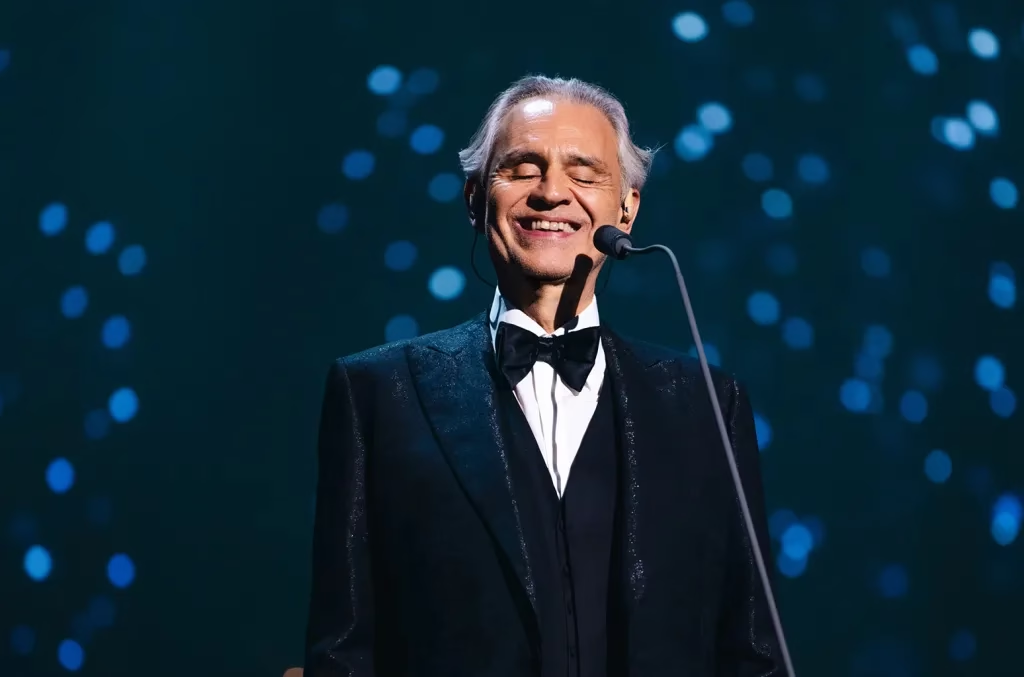
Andrea Bocelli
Andrea Bocelli has been blind since childhood and is internationally known as a world-famous tenor. He is best recognized for bringing classical and operatic music to a global audience through his classical crossover career.
His performances are often noted for emotional expression rather than spectacle. Over time, he has built a reputation that extends beyond genre, showing that visual impairment does not limit stage presence, connection with audiences, or global recognition.
Deaf Celebrities with Disabilities
Hearing loss and deafness can be visible through the use of sign language, interpreters, or hearing devices. In public-facing careers, spoken communication is often treated as essential, which makes success in these fields especially notable.
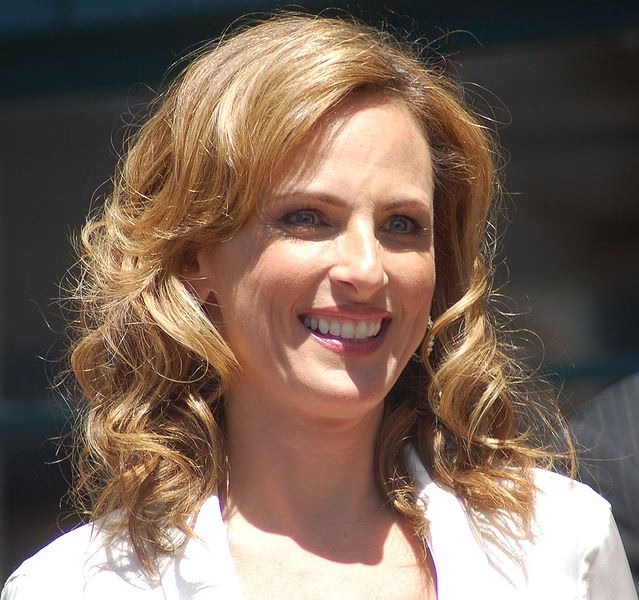
Marlee Matlin
Deaf since early childhood, Marlee Matlin became the first deaf performer to win an Academy Award. She is best known for her long-running career in film and television, with roles that span drama, comedy, and mainstream network productions.
Over the years, she has remained consistently visible rather than appearing only as a special case. Her career demonstrates that deaf actors can sustain long-term success in competitive entertainment environments.
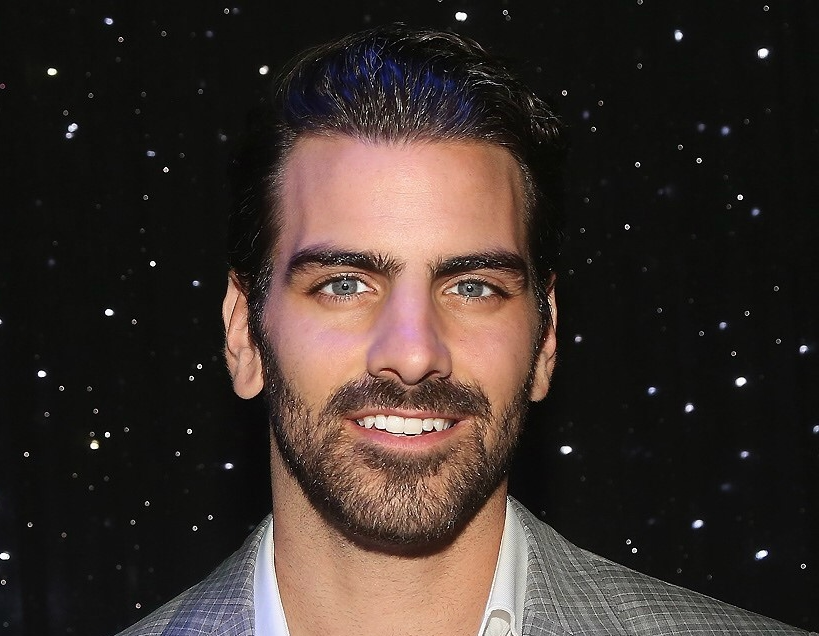
Nyle DiMarco
Nyle DiMarco is a deaf model, actor, and activist who gained mainstream recognition through major competition shows. He is widely known for bringing deaf representation into fashion, television, and popular media.
In addition to modeling and acting, he has used his public platform to advocate for deaf education and accessibility. His visibility has helped many people better understand deaf culture beyond stereotypes.
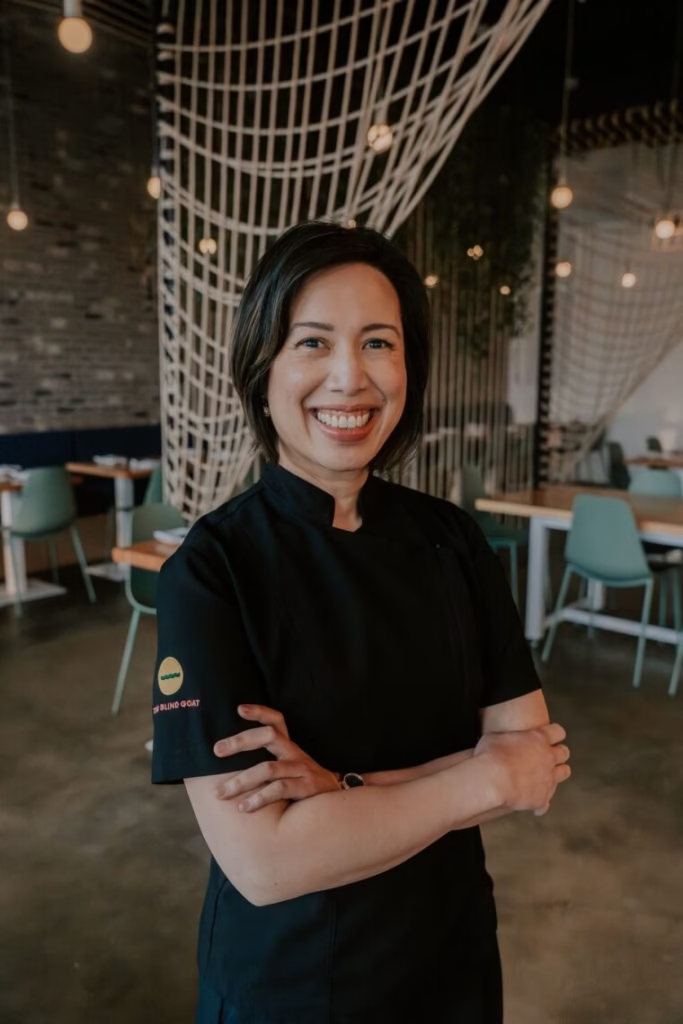
Christine Ha
Christine Ha is a deaf chef best known for winning MasterChef, one of the most competitive cooking shows in the world. Her success required not only technical skill, but the ability to lead, adapt, and perform under intense pressure.
After the show, she continued to build a public career in food and storytelling. Her experience highlights that hearing loss does not reduce creativity, authority, or professional capability.
Celebrities with Limb Differences or Amputations
Limb difference can include amputation or being born without one or more limbs. These differences are highly visible and often attract immediate attention, sometimes before a person’s abilities or personality are recognized.
Aimee Mullins
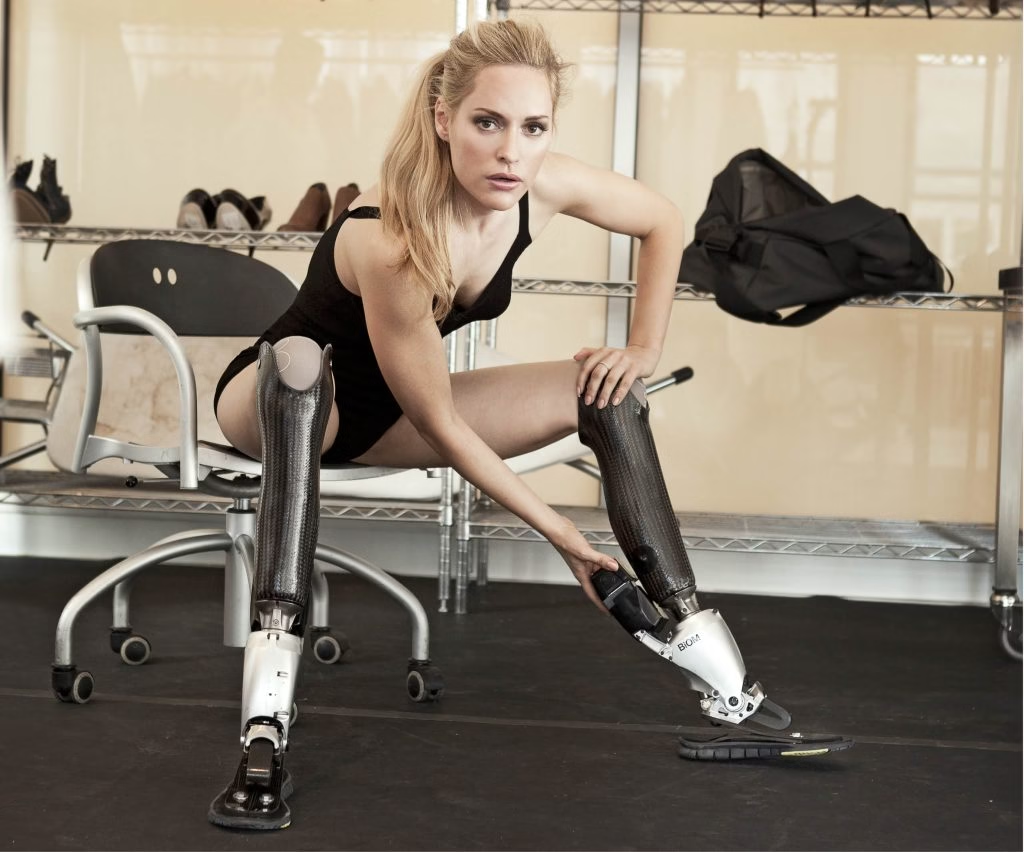
Aimee Mullins is a double amputee known for achievements across athletics, fashion, and film. She first gained attention as a competitive athlete and later expanded into acting and modeling, becoming one of the most recognizable public figures associated with modern prosthetics and limb difference.
Her public career is often noted for challenging narrow ideas about beauty and physical ability. Instead of treating prosthetics as something to hide, she has spoken about them as tools that support mobility and independence, and she has appeared in mainstream settings where disabled bodies are rarely centered. Rather than fitting into a single role, she has moved fluidly across industries—sport, runway, and screen—helping broaden how limb difference is perceived in everyday culture.
Nick Vujicic
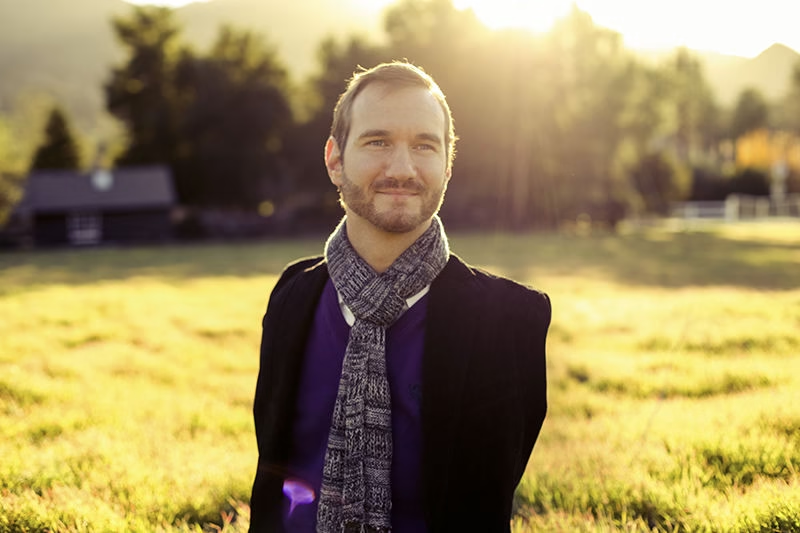
Nick Vujicic was born without limbs and is best known as a global speaker and best-selling author. He speaks openly about relationships, family life, and self-worth, reaching audiences worldwide through talks, books, and public appearances.
His visibility is often tied to everyday topics rather than extraordinary feats. By talking about marriage, parenting, and personal growth, he presents a version of life with limb difference that feels relatable and grounded. Many people connect with his message because it focuses on practical mindset and long-term confidence, not on pretending disability doesn’t exist. In a culture that often assumes disability limits love and family life, his public story offers a clear reminder that connection, commitment, and belonging are still fully possible.
Famous Dwarf Actors & Personalities
People with dwarfism have made incredible contributions across entertainment, advocacy, sports, and media. Their achievements continue to challenge stereotypes and show that talent, confidence, and determination matter far more than height.
Many celebrities with dwarfism have also used their platforms to raise awareness about accessibility, inclusion, and self-acceptance. Their stories inspire millions of people around the world and help create better representation for the disability community.
Peter Dinklage
Peter Dinklage is one of the most recognized actors with dwarfism in the world. Best known for his role as Tyrion Lannister in Game of Thrones, he earned multiple Emmy Awards and became a global star for his outstanding acting talent. Born with achondroplasia, a common form of dwarfism, Dinklage has spoken openly about the challenges of discrimination and typecasting in Hollywood. Instead of accepting stereotypical roles, he focused on finding meaningful characters that showed depth and intelligence. His success helped change the way people with dwarfism are represented in film and television. Today, he is widely respected not only as an actor, but also as an advocate for dignity and equal opportunities in the entertainment industry.
Warwick Davis
Warwick Davis is a British actor famous for appearing in major fantasy franchises including Harry Potter and Star Wars. Despite being diagnosed with spondyloepiphyseal dysplasia congenita, a rare form of dwarfism, he built an extraordinary career in Hollywood. Davis became well known for playing Professor Flitwick and Griphook in the Harry Potter films, as well as several memorable characters in the Star Wars universe. His versatility and charisma helped him become one of the most successful actors with dwarfism. Outside of acting, Davis has supported organizations that help people with dwarfism and disabilities. He continues to inspire fans through his humor, confidence, and long-lasting career.
Meredith Eaton
Meredith Eaton is an American actress best known for her roles in Boston Legal, NCIS, and MacGyver. She was born with pseudoachondroplasia, a form of short-limbed dwarfism, and has become one of the most recognized actresses with dwarfism in American television. Eaton has built a successful acting career by taking on strong, intelligent, and memorable roles. Her performances show that actors with dwarfism should not be limited to stereotypes or background characters. Beyond acting, Meredith Eaton represents confidence, professionalism, and visibility for people with dwarfism. Her career has helped create more positive representation for disabled people in mainstream entertainment.
Kiruna Stamell
Kiruna Stamell is an Australian actress, writer, and disability advocate known for her work in television, theater, and comedy. Born with dwarfism, she has spent many years challenging stereotypes and promoting better representation for people with disabilities in the entertainment industry. Stamell has appeared in several popular television productions and stage performances in both Australia and the United Kingdom. In addition to acting, she is also a public speaker who encourages conversations about accessibility, inclusion, and self-confidence. Through her creative work and advocacy, Kiruna Stamell continues to inspire people with disabilities to pursue their goals and express themselves proudly. Her career highlights the importance of diversity and authentic representation in modern media.
If you’re part of the disability community, you’ve probably had moments where you felt overlooked, underestimated, or talked down to. This article is a small way to push back against that feeling.
You are not the only one navigating stairs, stares, awkward questions, or days when your body won’t cooperate. And you’re not “too much” for wanting love, companionship, and a normal social life. You deserve people who see you clearly—your personality, your values, and your heart—without making you feel like you have to explain your worth.
Wherever you are in your journey, you belong here.