Dating with epilepsy uniquely shapes how you navigate relationships—not because you are less deserving of love, but because the world often misunderstands what living with seizures actually means. Many people with epilepsy describe a similar experience: fear of rejection, anxiety about when to disclose their condition, and worry that a seizure might scare someone away. Some even say that every relationship ended because of epilepsy, not because of incompatibility.
But the truth is simple:
Epilepsy does not diminish your worth, your attractiveness, or your ability to build a meaningful relationship.
The right partner will not walk away—they will listen, learn, and stay.
This guide is for people living with epilepsy who want to date confidently, build healthy relationships, and meet people who genuinely understand their journey.
The Real Challenges People With Epilepsy Face in Dating
Dating with epilepsy is not hard because of the condition itself—it becomes difficult when partners lack understanding, patience, or awareness. Recognizing these challenges may help you approach dating with more clarity and compassion for yourself.
Fear of disclosure is one of the most common hurdles. Many singles worry about how someone will react, what questions they may ask, or whether mentioning epilepsy early will end the connection. This fear often grows from past negative experiences, not from the condition itself.
There is also anxiety around the possibility of having a seizure on a date. This “what if” fear can create hesitation, even when you genuinely like someone. For some people, the stress of imagining a seizure in public is enough to avoid dating altogether.
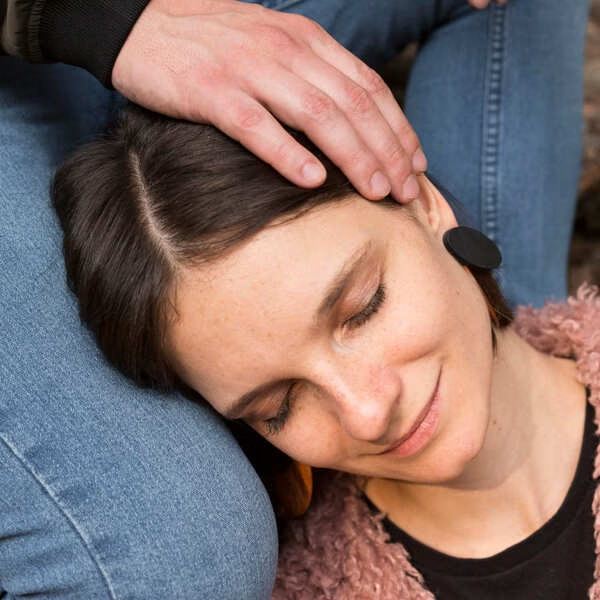
Social misunderstanding is another barrier. Despite epilepsy being common, many people still hold outdated beliefs or simply panic when they hear the word “seizure.” These reactions can leave you feeling responsible for someone else’s fear, even though you shouldn’t have to be.
Finally, epilepsy can influence lifestyle choices, such as maintaining a strict sleep schedule, avoiding certain triggers, or choosing calmer environments. When a partner doesn’t understand these needs, dating can feel overwhelming.
These challenges are real—but none of them mean you cannot experience meaningful love. With the right tools and environment, dating with epilepsy can be a deeply fulfilling journey.
Practical Dating Tips for People Living With Epilepsy
Dating with epilepsy involves balancing openness, comfort, and emotional safety. These practical tips are designed to help you date confidently, without pressure or fear.
1. Remember that epilepsy does not define your value
Your medical condition is only one part of your life. Past rejection or misunderstanding can make you doubt your worth, but epilepsy does not erase your personality or your strengths. The qualities that make you a wonderful partner—your warmth, humor, honesty, or resilience—remain fully intact. A healthy relationship begins with recognizing your own value.
2. Share your condition when you feel emotionally safe
You don’t need to reveal everything immediately. Disclosure works best when trust begins to form. A calm, simple approach helps:
“I have epilepsy and I manage it well. I can explain what to do if a seizure ever happens.”
This keeps the conversation grounded and honest, and it shows confidence rather than fear.
3. Create a simple seizure plan that feels empowering—not overwhelming
A short explanation of what your seizures look like and how others should respond can ease anxiety for both you and your date. When someone knows what to expect, they feel prepared instead of afraid. This clarity helps you relax and focus on building connection.
4. Choose date environments that support comfort and reduce stress
Many people with epilepsy feel best in calmer, predictable settings. Quiet cafés, early dinners, relaxed daytime activities, or outdoor walks make it easier to stay present and comfortable. Choosing the right environment is not limiting—it’s protecting your well-being, and a supportive partner will understand.
5. Follow your body’s rhythm, even if it means dating differently
Epilepsy can affect sleep, energy, and sensitivity to triggers. If late nights, loud venues, or alcohol don’t work for you, it’s completely okay to say so. Expressing your needs early prevents misunderstandings and helps the relationship grow on a healthy foundation.
6. Manage seizure anxiety by preparing emotionally, not by avoiding dating
It’s natural to worry about having a seizure during a date. Grounding exercises, choosing familiar locations, or letting a trusted friend know your plans can help reduce this anxiety. Emotional preparation allows you to stay focused on the moment rather than imagining worst-case scenarios.
7. Build a small support circle to help you navigate dating
Talking to friends, family, or epilepsy support groups can make dating feel less isolating. Sharing experiences with people who understand your challenges can strengthen your confidence and help you stay grounded, even when dating feels emotionally complicated.
8. Pay attention to partners who show patience, calmness, and curiosity
The right person won’t be intimidated by epilepsy. They will ask respectful questions, listen carefully, and want to understand what helps you feel safe. These qualities are signs of emotional maturity and long-term compatibility. If someone disappears because of epilepsy, it reveals their limitations—not yours.
Where People With Epilepsy Can Meet Understanding Partners
Many singles with epilepsy struggle on mainstream dating apps because swiping culture prioritizes superficial impressions over communication and empathy. If you’ve ever felt overlooked or misunderstood on these apps, you are not alone.
That is why disability-inclusive spaces can be life-changing.
AbiliMatch is the fast-growing and safe disabled dating site for people with disabilities—including neurological conditions such as epilepsy, autism, ADHD, cerebral palsy, mobility disabilities, limb differences, chronic illnesses, and hearing loss. It offers a community where you don’t need to hide your condition or fear someone’s reaction. People here understand disability and appreciate honesty.
AbiliMatch includes features such as video verification for safety, a communication style that supports slower-paced conversations, and a fast-growing community of singles who value understanding and emotional maturity. It provides a dating environment designed for people who deserve respect and patience from the start.
Frequently Asked Questions
Is epilepsy a disability?
Yes. Epilepsy is legally recognized as a disability because it can affect daily activities, employment, and safety. This classification protects your rights and ensures you receive proper accommodations when needed.
How many people have epilepsy?
More than 50 million people worldwide live with epilepsy, making it one of the most common neurological conditions. You are far from alone.
Can people with epilepsy drive?
Yes—depending on local laws. Many regions require a seizure-free period or a doctor’s approval. Regulations vary by country and state.
Are there epilepsy support groups?
Yes. Both online and local support groups exist, offering emotional support, medical information, and a sense of community. Searching “epilepsy support groups near me” or “disabled dating” can help you find groups in your area.
Are people with epilepsy difficult to date?
No. Epilepsy requires communication and understanding, but it does not make you hard to love. The right partner will respond with patience and curiosity—not fear.
Famous people with epilepsy
Many well-known individuals had or have epilepsy, including Lil Wayne, Neil Young, Danny Glover, Prince, Agatha Christie, and Theodore Roosevelt. Their achievements show that epilepsy does not limit success or the ability to build meaningful relationships.
Where can people with epilepsy meet understanding partners?
Disability-friendly communities like AbiliMatch offer a safe, supportive environment where singles with epilepsy can meet partners who value empathy, steadiness, and genuine connection.