For many people with disabilities, joining a chat room is not simply about finding someone to talk to. It is about finding a space that feels safe, respectful, and realistic. Too often, online social and dating spaces are built without considering how disability affects communication, energy levels, privacy, or personal boundaries.
A good disabled chat room understands these realities. It does not rush conversation, pressure disclosure, or tolerate behavior that makes people feel uncomfortable. Instead, it creates room for connection to grow naturally.
At AbiliMatch, disabled chat rooms are designed with this mindset from the start.
A Disability Chat Room Built for Disabled People
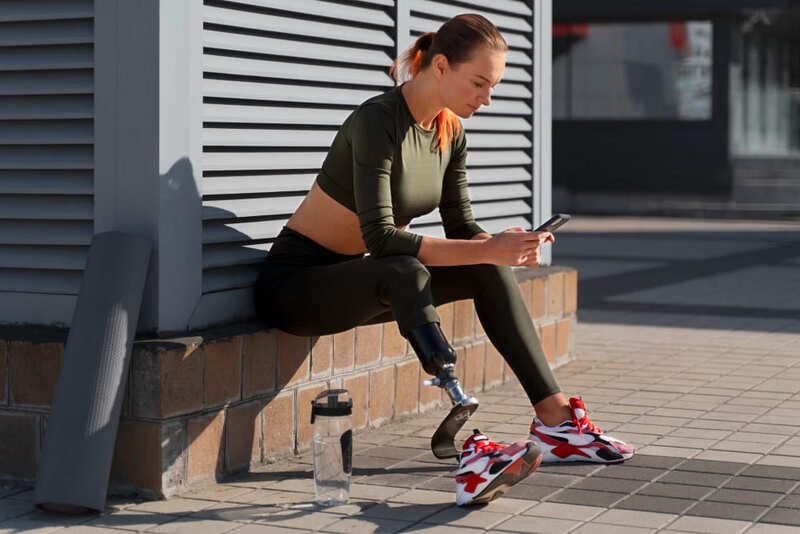
Disabled chat rooms exist because traditional social and dating spaces aren’t always built with disability in mind. AbiliMatch welcomes a wide range of people, including those with visible disabilities (such as wheelchair users, amputees, and people with mobility impairments), people with chronic or invisible conditions (like multiple sclerosis, lupus, fibromyalgia, and chronic fatigue syndrome), and neurodivergent adults (including autism and ADHD). This is an adults-only space focused on respect, boundaries, and real conversation.
Chat Room Etiquette and Safety: How to Protect Yourself and Others
In disabled chat rooms, etiquette and safety are closely connected. How people behave directly affects whether the space feels welcoming—or stressful. These communities work best when everyone understands that disability often changes the pace, tone, and boundaries of conversation.
This is not about strict rules. It is about awareness.
Be patient
Patience is one of the most important forms of accessibility in a disability chat room. Some users type slowly because of mobility limitations, neurological conditions, or assistive technology. Others may need time to process questions or take breaks due to pain, fatigue, or medical needs.
Silence does not mean disinterest. A delayed response is not rudeness. Giving people time to reply allows everyone to participate without pressure or embarrassment.
Do not expect instant attention
When you enter a chat room, there may already be an ongoing conversation. It is normal if no one greets you immediately. Disabled chat rooms are shared spaces, not customer service desks.
Jumping in calmly, observing the flow of conversation, or introducing yourself naturally helps the room stay focused and welcoming. Repeatedly announcing your arrival or leaving and re-entering the room can disrupt conversations and make others uncomfortable.
Share before you ask
If you want to know something personal about someone, it helps to share a little about yourself first. This builds trust and keeps conversations balanced.
Disability chat rooms are not interviews. People are more comfortable opening up when curiosity feels mutual rather than intrusive.
Understand that quiet moments are normal
Chat rooms—especially those for disabled adults—are not always fast-paced. People may be resting, multitasking, or simply reading. Quiet moments are part of how these spaces function.
Pointing out that the room is quiet does not create conversation. Offering a thoughtful topic or joining an existing discussion usually does.
Safety Comes First, Especially in Dating Conversations
Disabled chat rooms can be meaningful places to form friendships or explore dating, but safety should always guide interaction.
You are never obligated to continue a conversation. If something feels uncomfortable, confusing, or pressured, you are allowed to step away without explanation.
Avoid sharing personal information such as your full name, home address, phone number, email address, passwords, or social media profiles. Moving conversations off-platform too quickly can increase risk, especially before trust is established.
Be cautious with people who push conversations toward highly personal or sexual topics early on, especially if they focus excessively on your disability. Genuine connection develops over time and respects boundaries.
Trust your discomfort
If someone makes you uneasy—even if you cannot immediately explain why—that feeling matters. Disability chat rooms should support users who set boundaries, not question them.
You do not owe politeness to people who ignore your comfort level. Reporting concerns helps keep the community safer for everyone.
A Shared Responsibility
Safety in disabled chat rooms is a shared effort. Moderation helps, but the culture of the room matters just as much. When users respect pacing, boundaries, and privacy, chat rooms become places where real connection can grow.
Etiquette is not about control. It is about making sure everyone—regardless of disability—can participate without fear, pressure, or judgment.
Chat, Dating, and Connection on AbiliMatch
AbiliMatch supports different ways of connecting, allowing users to choose what feels safest and most comfortable.
Public chat rooms are ideal for relaxed conversation and getting to know the community. Anonymous chat rooms allow people to talk freely without sharing personal identity, which can be especially helpful for those exploring dating or rebuilding confidence. Group chats bring together people with shared experiences or interests, where trust often develops over time.
Some users come looking for friendship. Others are open to dating. Both are valid, and neither should involve pressure or judgment. Dating in disabled chat rooms should feel gradual, respectful, and mutual.
A Space Where Connection Feels Possible
Disabled chat rooms work when people feel protected enough to be themselves. When etiquette is respected and safety is taken seriously, chat rooms become spaces where understanding, trust, and even dating can develop naturally.
Whether you are a wheelchair user, deaf, an amputee, living with a chronic illness, or navigating disability in any form, you deserve social spaces that respect your reality.
Join AbiliMatch and connect in a disabled chat room built for adults, understanding, and real conversation.